The Internet of Things has long gone beyond the beautiful concept. Today, IoT sensors, smart devices, and queue management systems are quietly solving very mundane problems: long lines, lost customers, nervous visitors, and overloaded staff. The same technologies that analyze traffic and human behavior in real time help reduce support costs by up to 40%, increase satisfaction by about 30%, and speed up response to requests by 25-40%. Not a theory. Practice.
Real-Time IoT: When The Queue Becomes Data
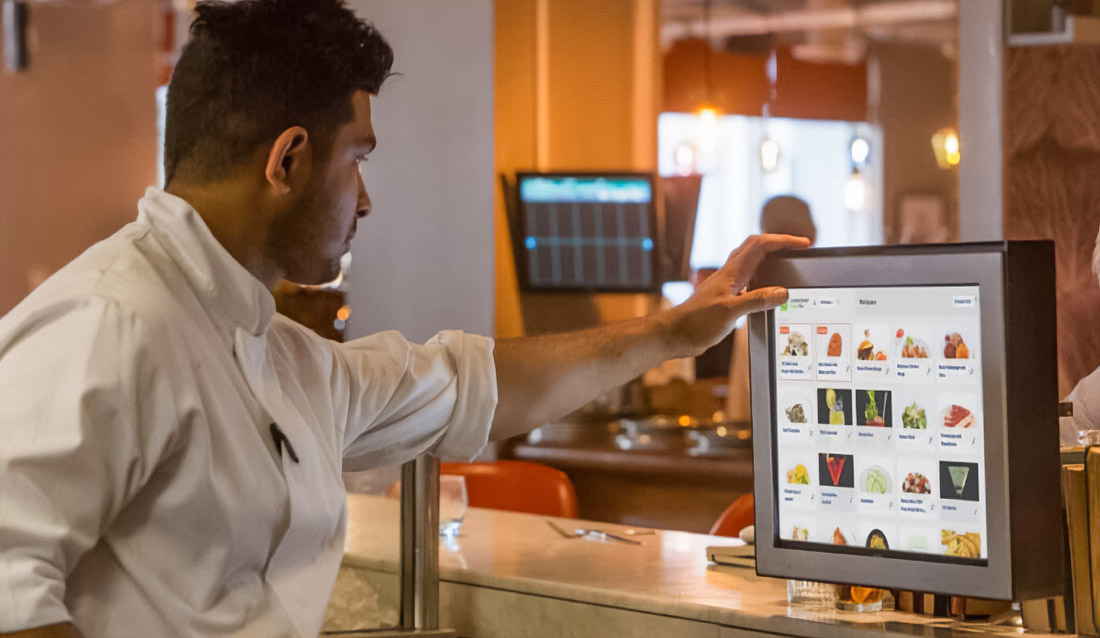
Every sensor, every camera, and every smart sensor turn a live queue into a stream of measurable metrics. The system sees how many people have arrived, how much it costs, how many have left, where congestion is forming, and how the service speed is changing.
Real-time monitoring and customer flow tracking are becoming the norm rather than the buzzword.
The length of the queue, the average waiting time, and the workload of each window are displayed in real time on the dispatcher panel. If the system notices an abnormal growth, threshold triggers are triggered: an alert is received, it is suggested to open an additional rack or enable virtual queuing. The delay of such alerts is kept below 450 ms, and the success rate reaches 99.1%, which is critical when every minute of waiting turns into annoyance.
Virtual Queues, Heat Mapping, And New Space Logic
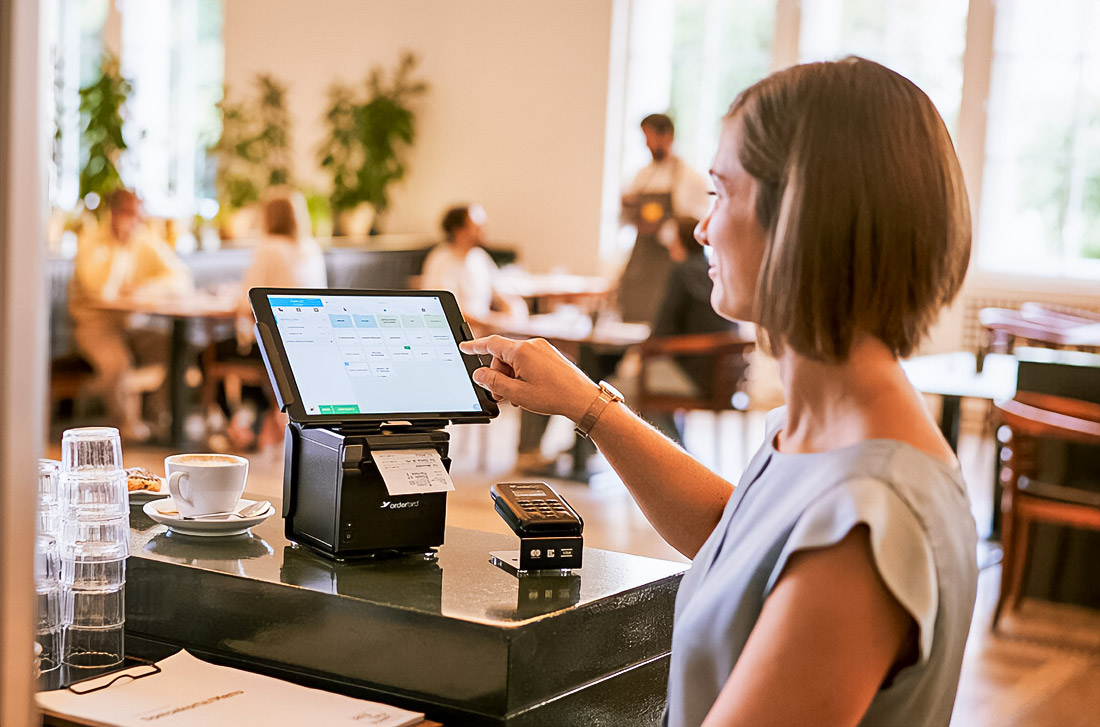
A virtual queue changes the experience of waiting. The client receives an electronic number, sees the progress on the screen or in the application, can temporarily leave on business and return exactly to his call. The physical “standing in the tail” turns into a calm, controlled expectation.
Heat mapping and motion sensors work in parallel. The system builds heat maps of the halls, shows where people huddle, which routes they choose, and which areas remain “dead.” This makes it possible to reconfigure the space: move the counter, add a scoreboard, change the entry and exit points, and reallocate staff.
This is especially important for retail.
Research shows that up to 75% of lost sales are related to long queues and slow service.
When queue management relies on IoT, these losses begin to decrease noticeably: part of the flow is redistributed, part goes to self-service, and part is processed faster due to the precise placement of employees, improving the overall customer journey management across the environment.
Predictive Analytics And The Future Of Queue Management
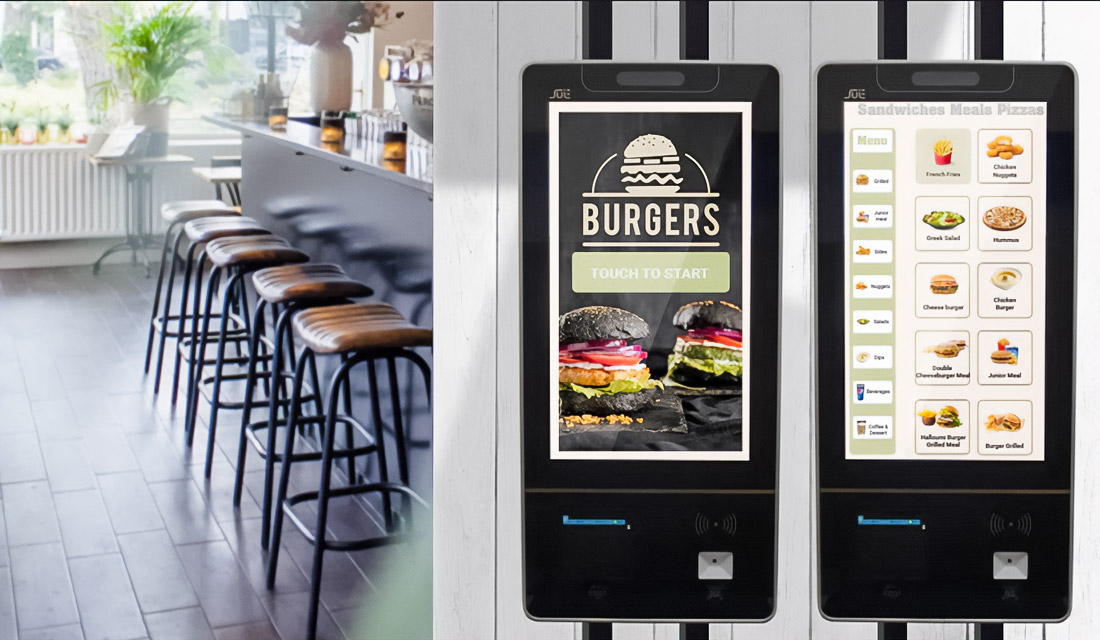
The fun begins when predictive analytics comes on the scene. The IoT platform accumulates history: peak hours, seasonal dips, special days, and behavioral patterns of visitors. Next, models are included that make forecasts and suggest what will happen to the queues tomorrow, in a week, during the campaign period.
The manager sees not only “what is happening now,” but also “what is almost certain to happen.” You can increase the shift in advance, turn on more windows, activate the virtual queue, and prepare proactive support scripts. As a result, operating costs are reduced by 15-30%, because resources are allocated according to the actual load, and not according to feelings.
It is also important that the overall reliability of the service infrastructure is growing. The number of connected devices has already exceeded 14 billion, and this is not the limit. The more tightly integrated IoT is into queue management, the more accurate customer journey mapping works, the faster wait time reduction goes, and the clearer people’s behavior becomes.
IoT sensors, smart sensors, virtual queues, real-time monitoring, and predictive models cease to be “technological adornments.” They turn queue management into a precise discipline where every meter of space, every minute of waiting, and every customer flow is backed up by data rather than intuition.

Skateboarder, feminist, DJ, hand letterer and HTML & CSS lover. Doing at the sweet spot between beauty and function to create great work for living breathing human beings. I’m fueled by craft beer, hip-hop and tortilla chips.